Energy Resilience is Now a Design Decision, Part 2 - Jackson Hole
Designing for Power Stability in High-Elevation Mountain Homes
Jackson Hole presents a unique set of design challenges for residential architects and builders. High-elevation weather patterns, remote infrastructure, and increasingly sophisticated homes mean electrical resilience must now be designed into the architecture—not added after construction.
For luxury residences in the Jackson Hole valley and surrounding communities, energy management systems (EMS) are rapidly becoming a core building system alongside HVAC, lighting control, and structural engineering.
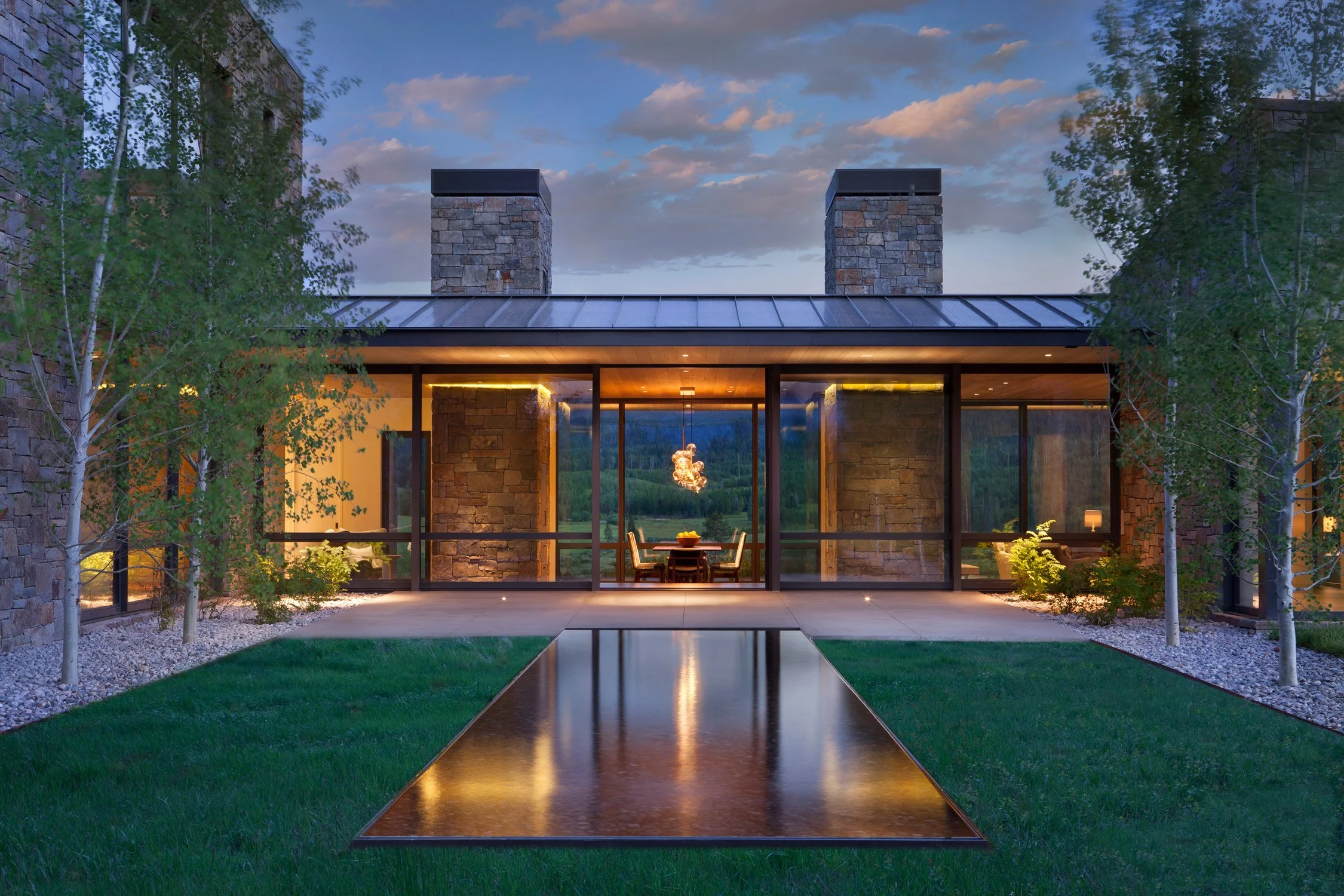
The Wyoming power reality
Jackson and Teton County homes face a combination of environmental and infrastructure factors that increase the importance of resilient electrical design:
Severe winter conditions
Heavy snow loads and ice accumulation
High winds in alpine terrain
Long winter seasons
Remote grid infrastructure
Transmission lines crossing mountain terrain
Fewer redundancy paths than major metro areas
Storm-related outages that may take longer to restore
High-stakes building systems
Luxury mountain homes commonly include:
Radiant floor heating
Snowmelt systems
Geothermal heat pumps
Extensive home automation
Security and access control
High-end AV and networking
Wine storage and wellness systems
Even brief power instability can cause system failures, freeze risks, or equipment damage.
Why generator-only strategies are no longer enough
Historically, mountain homes relied on standby generators for outages. While still essential, generators alone do not address several key realities:
Short outages and power flicker events
Voltage irregularities common during storms
Inefficient generator runtime
Lack of load prioritization during outages
Modern homes require managed electrical infrastructure, not just backup power.
Integrated Energy Management Systems (EMS)
Systems such as RoseWater Energy and Savant Power integrate several resilience functions into a coordinated electrical platform:
Power conditioning
Protects sensitive electronics from voltage sags and surges.
Battery ride-through
Maintains continuity during short outages while generators start.
Load prioritization
Automatically sheds non-critical loads to preserve heating and safety systems.
Circuit-level monitoring
Provides real-time insight into energy consumption and system status.

What this means for architects and builders
1. Energy resilience becomes a design decision
EMS systems affect:
Electrical room layout
Panel strategy and subpanel zoning
Mechanical system coordination
Generator and battery placement
Early integration allows designers to optimize load tiers and infrastructure placement.
2. Load zoning supports resilient design
A typical mountain luxury home is designed with three load categories:
Tier 1 – Critical
Heating controls
Well pumps
Security systems
Network and communications
Tier 2 – Important
Kitchen equipment
Key HVAC zones
Lighting and daily living systems
Tier 3 – Deferrable
Snowmelt
Spas
Guest house loads
EV charging
This tiering dramatically extends backup runtime.
3. Power quality protects high-value systems
Modern luxury homes contain tens or hundreds of thousands of dollars of electronics.
Clean, conditioned power reduces failures of:
Automation processors
Lighting control systems
Network infrastructure
AV equipment
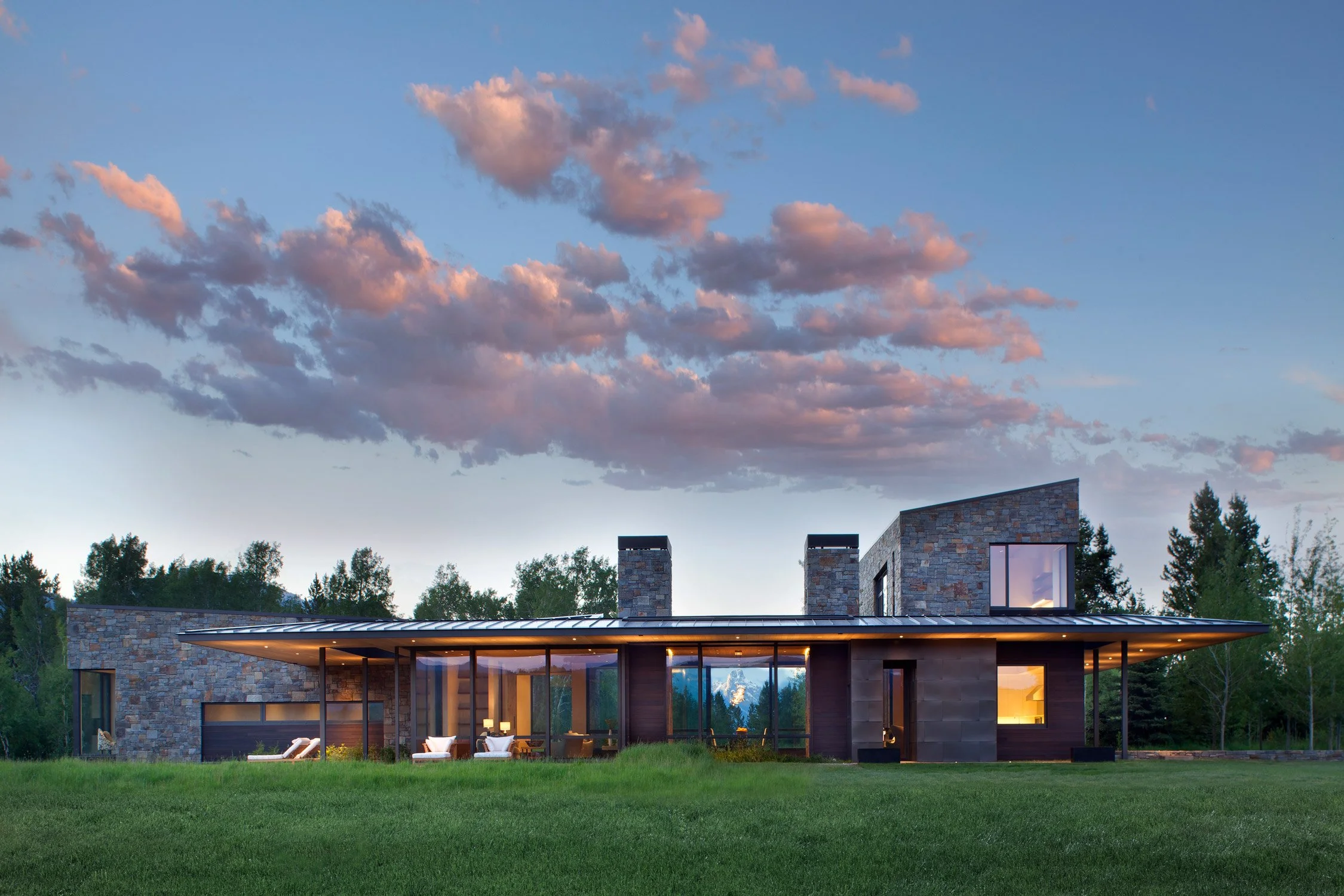
Bottom line for Jackson Hole projects
In high-elevation communities like Jackson Hole, weather and remoteness make outages inevitable.
Architects and builders who integrate energy management systems into their electrical design deliver homes that are:
More resilient
Easier to maintain
Safer during winter outages
Better protected against equipment damage
Energy resilience is quickly becoming a standard expectation in luxury mountain construction.
Why generators alone are not enough
A generator solves duration, but not power quality or efficiency. Standby generators are standard in Florida luxury homes, but they have limitations:
Startup delay during short outages
Fuel limitations during extended outages
Inability to manage loads dynamically
Limited protection against surges or brownouts
Integrated Energy Management Systems (EMS)
Solutions such as RoseWater Energy and Savant Power integrate multiple power functions into a coordinated system:
Power conditioning: Protects electronics from lightning-related surges and voltage instability.
Battery backup: Maintains power during brief outages and smooths generator transitions.
Smart load control: Prioritizes essential systems during extended outages.
Real-time monitoring: Provides visibility and remote diagnostics.
Benefits for Florida luxury homes
1. Storm resilience
During hurricanes or major storms EMS systems can:
Preserve critical loads
Reduce generator strain
Maintain communications and security systems
2. Protection from lightning and surges
Florida has one of the highest lightning densities in North America.
Power conditioning dramatically reduces failures of:
Automation processors
Networking equipment
AV systems
Smart appliances