Energy Resilience is Now a Design Decision, Part 1 - Florida
Designing for Hurricane-Prone Coastal Environments
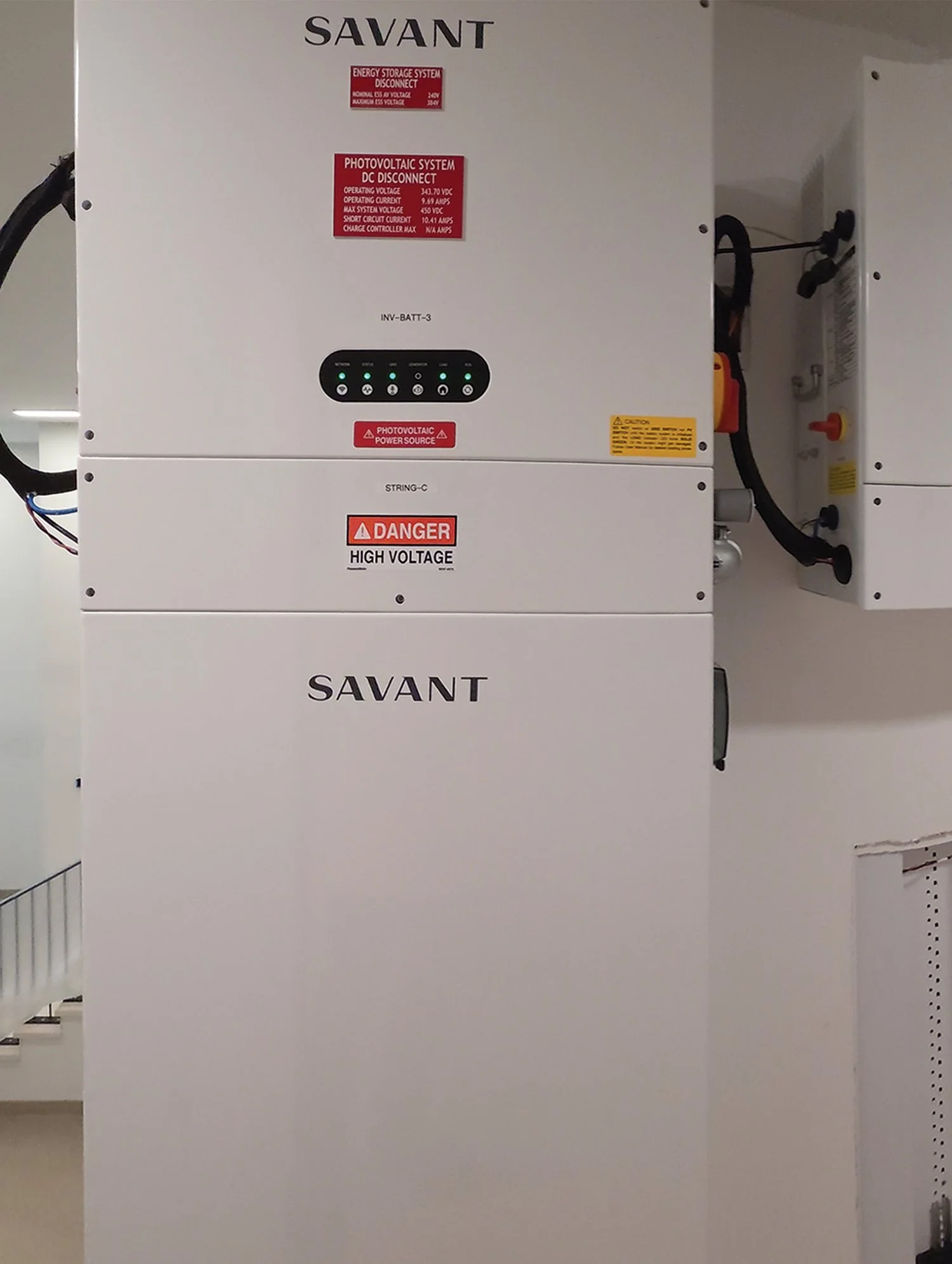
Florida’s coastal markets face some of the most demanding electrical reliability conditions in the United States.
Storm-driven outages, grid instability during extreme weather, and the increasing complexity of luxury homes make energy resilience a critical design consideration for architects and builders.
Integrated energy management systems (EMS) are emerging as the next evolution of generator-based backup strategies.
The Florida Power Reality
For luxury residences, power interruptions can disrupt critical systems and cause costly damage. Florida homes experience frequent electrical disruption risks from:
Hurricanes and tropical storms
Wind damage to distribution lines
Flooding of substations
Prolonged restoration times after major storms
Severe thunderstorms
Lightning strikes
Voltage surges and power flicker
Localized outages
Extreme heat and grid demand
Heavy AC loads during summer peaks
Stress on local distribution networks
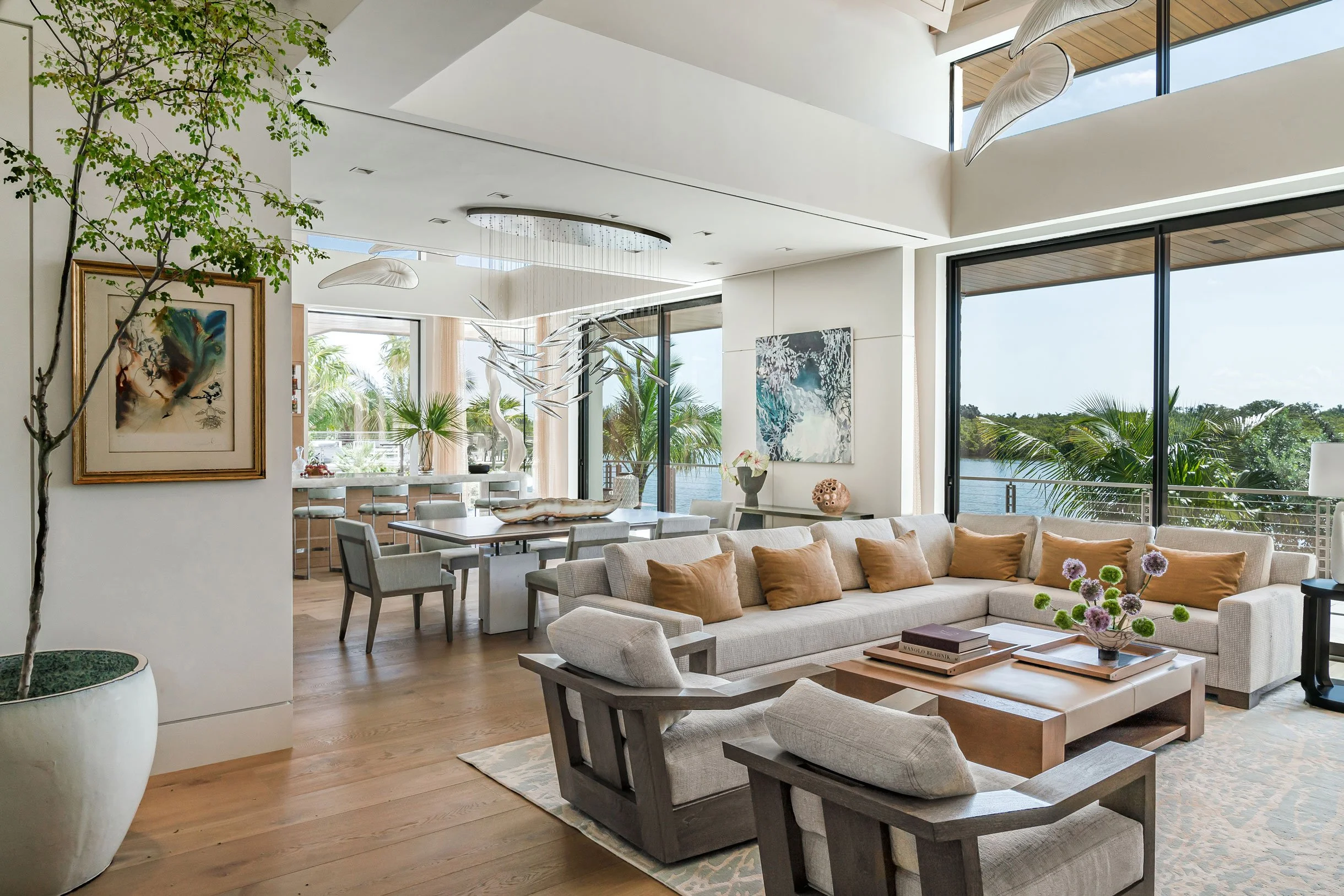
Why generators alone are not enough
A generator solves duration, but not power quality or efficiency. Standby generators are standard in Florida luxury homes, but they have limitations:
Startup delay during short outages
Fuel limitations during extended outages
Inability to manage loads dynamically
Limited protection against surges or brownouts
Integrated Energy Management Systems (EMS)
Solutions such as RoseWater Energy and Savant Power integrate multiple power functions into a coordinated system:
Power conditioning: Protects electronics from lightning-related surges and voltage instability.
Battery backup: Maintains power during brief outages and smooths generator transitions.
Smart load control: Prioritizes essential systems during extended outages.
Real-time monitoring: Provides visibility and remote diagnostics.
Benefits for Florida luxury homes
1. Storm resilience
During hurricanes or major storms EMS systems can:
Preserve critical loads
Reduce generator strain
Maintain communications and security systems
2. Protection from lightning and surges
Florida has one of the highest lightning densities in North America.
Power conditioning dramatically reduces failures of:
Automation processors
Networking equipment
AV systems
Smart appliances
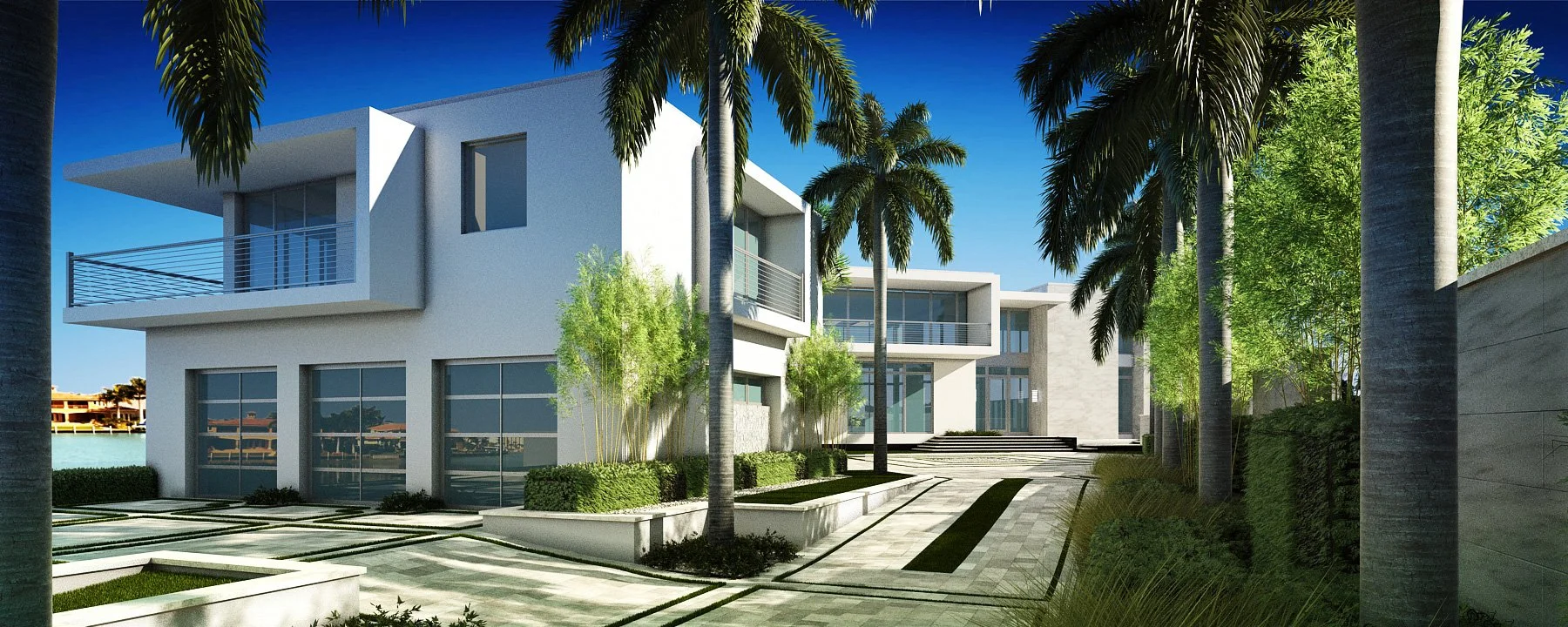
3. Extended backup runtime
Automatic load shedding allows homes to prioritize:
Tier 1 – Critical
Refrigeration
Communications
Security
Critical lighting
Tier 2 – Important
HVAC zones
Kitchen equipment
Daily living systems
Tier 3 – Deferrable
Pool systems
EV charging
Landscape lighting
Guest house loads
This allows generators to operate more efficiently during extended outages.
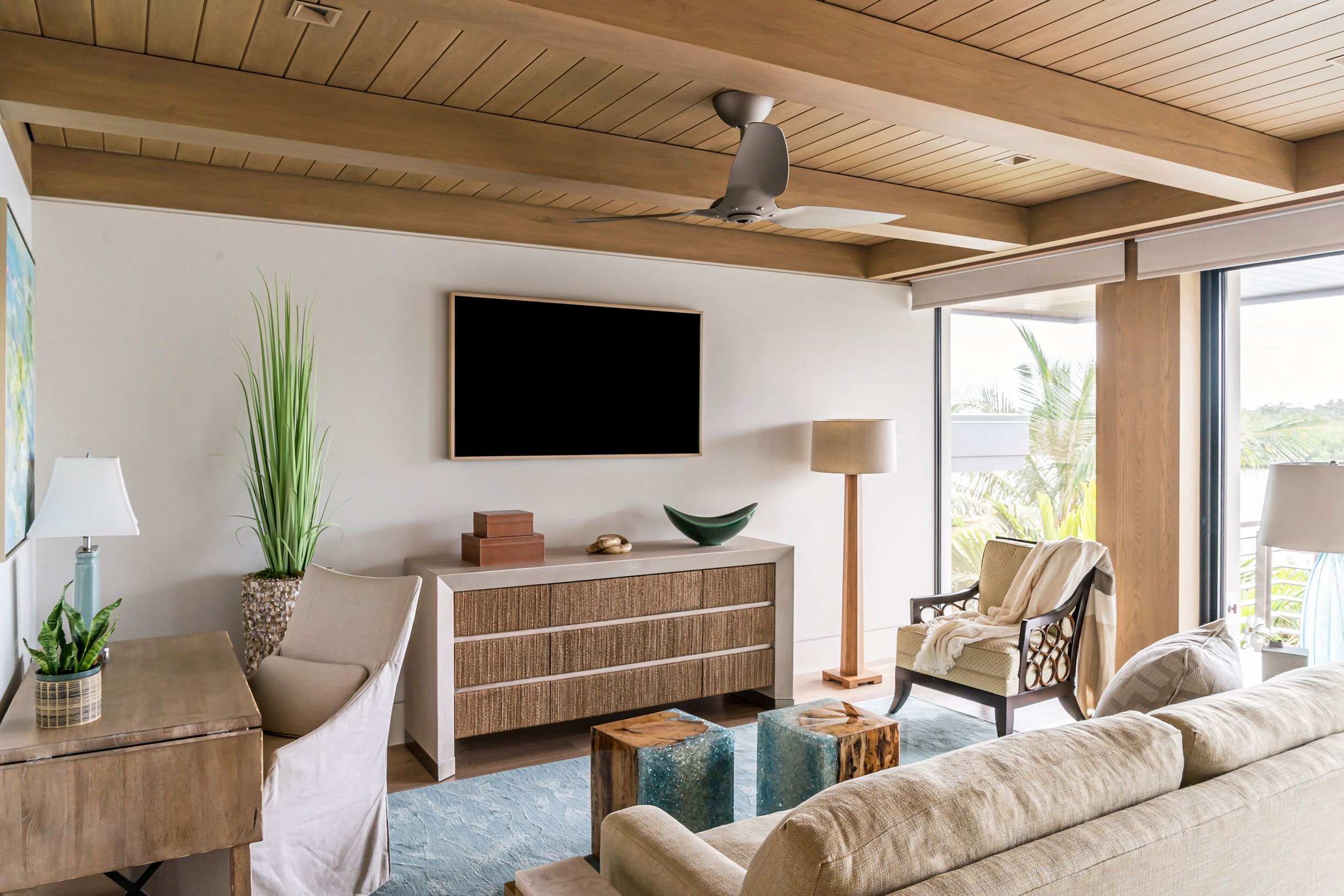
4. Future-ready energy design
EMS infrastructure integrates with:
Solar PV
Battery storage
Electric vehicle charging
Smart home systems
This supports evolving energy and resilience requirements.
Bottom line for Florida projects
In hurricane-prone regions, power interruptions are a design certainty, not a possibility. Architects and builders who incorporate energy management systems deliver homes that are:
More resilient to storms
Better protected against lightning damage
Capable of longer backup operation
Prepared for future energy technologies
Energy resilience is quickly becoming a defining feature of high-end coastal construction.